
A flashlight magnetic base is a built-in magnet (usually located in the tail cap or base) that allows you to attach a flashlight to metal surfaces—like a car hood, toolbox, breaker panel, or steel frame—for hands-free lighting.
This simple feature turns a normal flashlight into a practical work tool: you can mount it exactly where you need light, keep both hands free, and work more safely—especially during car repairs, home DIY jobs, emergencies, and camping.
Key Takeaways
-
A flashlight magnetic base enables true hands-free lighting on metal surfaces
-
Most magnets are placed in the tail cap for better mounting angles
-
For car repairs and home projects, 300–800 lumens is ideal
-
A flood beam / COB side light works better than a narrow spotlight for close-range tasks
-
Look for a strong neodymium magnet + rubberized base for stable mounting (and to avoid scratches)
What Is a Flashlight Magnetic Base?
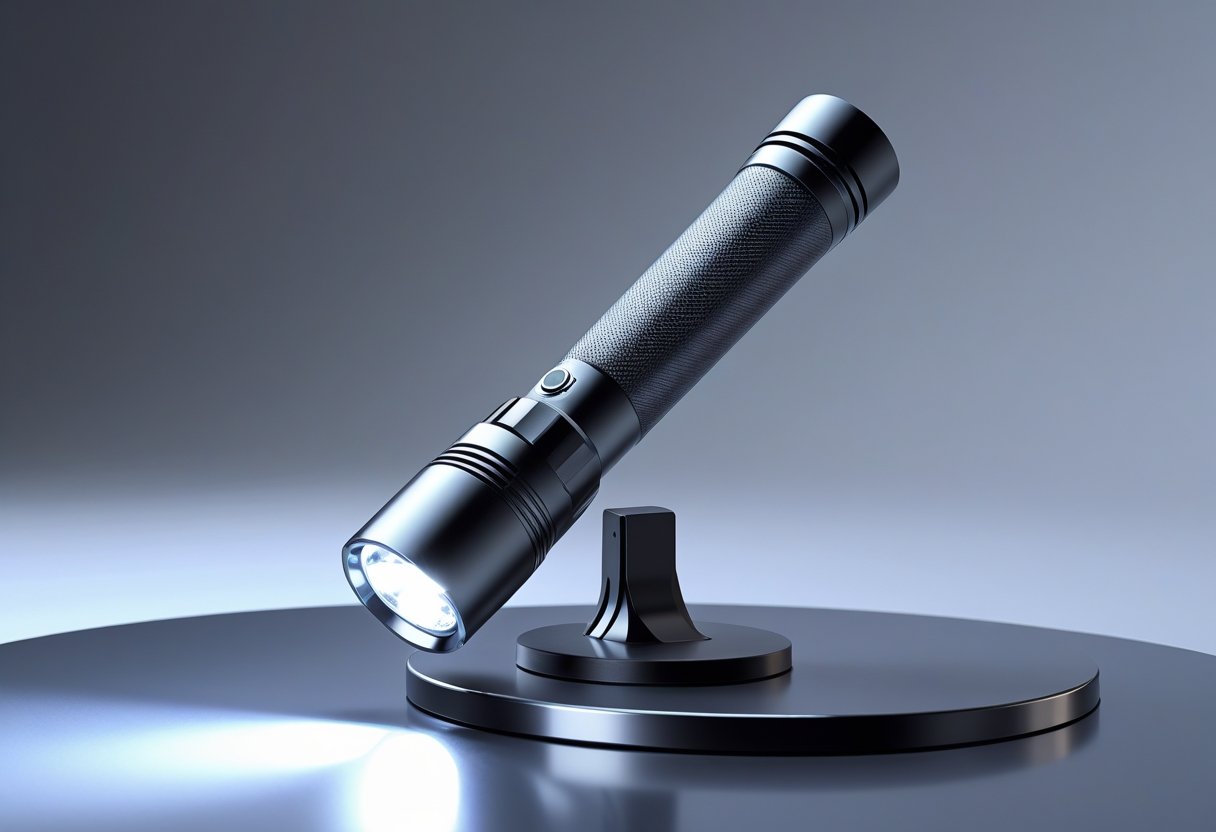
A flashlight magnetic base refers to a flashlight that includes a built-in magnet—most commonly in the tail cap—so the light can stick firmly to metal for hands-free operation.
Instead of holding the flashlight or balancing it somewhere awkward, you can mount it to:
-
a vehicle hood or chassis
-
a steel shelf or toolbox
-
metal framing in a garage
-
electrical panels
-
workshop equipment
If there’s no metal nearby, you can still use it like a normal flashlight—so it’s a “dual-use” feature rather than a limitation.
Key Features of Magnetic Base Flashlights
Most magnetic flashlights share a similar set of core features. The best models combine strong magnet grip with useful lighting modes and durability.
Common features include:
-
Tail-cap or base magnet (hands-free mounting)
-
LED light source (efficient and long-lasting)
-
Multiple brightness modes (high/medium/low + strobe/SOS)
-
Impact-resistant housing (often aluminum alloy)
-
Rechargeable or replaceable batteries
Magnetic Base vs Standard Flashlights (Quick Comparison)
| Feature | Magnetic Base Flashlight | Standard Flashlight |
|---|---|---|
| Hands-free use | ✅ Yes (sticks to metal) | ❌ No |
| Positioning | ✅ Mount anywhere on metal | ⚠️ Must be held/placed |
| Stability | ✅ Won’t roll away | ⚠️ Easy to drop/roll |
| Weight | Slightly heavier | Generally lighter |
| Price | Usually higher | Often cheaper |
Standard flashlights work fine for basic tasks—but if you frequently work in tight spaces or around tools, the magnetic base is a major upgrade.
Where a Flashlight Magnetic Base Is Most Useful (Real Scenarios)
1) Car Repairs & Roadside Emergencies
This is the #1 use case. You can attach the flashlight to:
-
the underside of the hood
-
the wheel well
-
the car frame
-
metal tools nearby
If you’ve ever tried holding a light while using a wrench, you already know why a magnetic base flashlight is such a big upgrade.
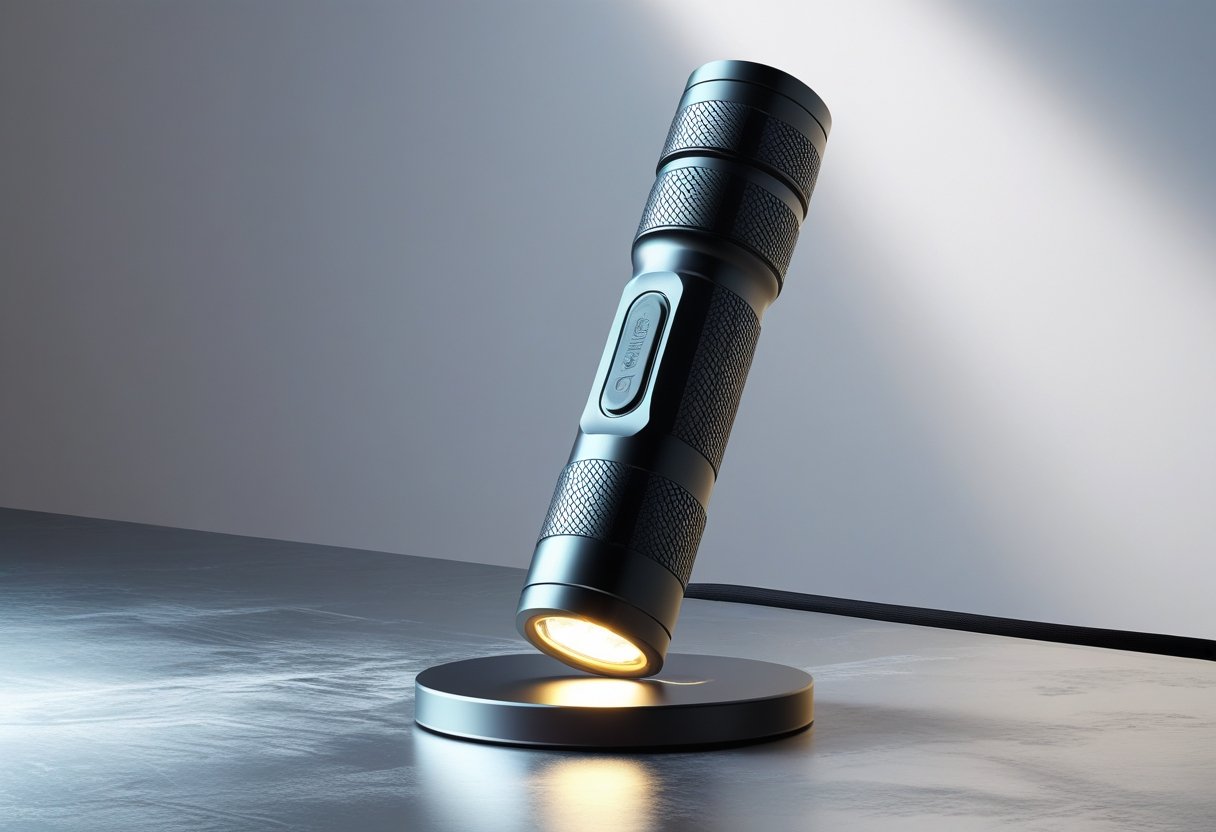
If you want a practical solution for garage and car repair work, a 2-pack magnetic work light is ideal because you can mount one above and one below your working area:
👉Magnetic working light
2) Home DIY and Maintenance
For tasks like plumbing, installing shelves, or working in dark corners, a magnetic base lets you mount the light to:
-
metal appliances
-
steel ladders
-
toolboxes
-
shelving systems
3) Power Outages
During an outage, you can stick your flashlight to:
-
a refrigerator
-
a breaker box
-
metal door frames
This creates stable room lighting while you use your hands for essentials.
For emergency prep, it’s smart to keep a rechargeable magnetic work light stored in a drawer or emergency box—ready to go anytime.
4) Camping & Outdoor Use
Campers often mount magnetic lights on:
-
car roofs
-
metal poles
-
camping gear with metal parts
It’s also handy inside tents if you combine it with a hook/clip accessory.
Benefits of a Flashlight Magnetic Base
Hands-Free Lighting (The Biggest Advantage)
The main benefit is simple: your hands are free.
That matters for:
-
repairs
-
inspections
-
emergency work
-
any situation where holding a flashlight slows you down
You no longer need to prop the flashlight against something or hold it in awkward positions.
Better Safety and Productivity
A stable mounted light means:
-
fewer dropped tools
-
less frustration
-
clearer visibility in tight workspaces
-
reduced risk of injury
Versatility Across Work and Daily Use
A flashlight magnetic base doesn’t replace a standard flashlight—it upgrades it. You can mount it when metal is available, or simply hold it normally when it’s not.
ZANOID Practical Tip: What Actually Matters in Car Repair

From real garage use, the magnet is only “good” if it stays mounted under vibration and awkward angles.
Here’s what matters most:
-
Bigger magnet contact area grips better than tiny magnets
-
A flood beam (or COB side light) reduces harsh shadows under the hood
-
Choose a rubber-coated magnetic base to avoid scratching painted metal
-
A magnetic base + hook/clip combo gives you mounting options even without metal nearby
For car repairs and garage work, a magnetic base work light usually performs better than a narrow-beam flashlight—because you get wide close-range lighting exactly where you need it.
👉Explore more work lights here
Types of Flashlights with Magnetic Bases
Rechargeable Magnetic Flashlights
Rechargeable models are the most convenient and consistent in performance. Most use:
-
USB-C charging
-
lithium-ion batteries
-
battery indicators
Typical charging time: 2–4 hours
Typical runtime: 2–30 hours depending on brightness mode
Best for: frequent use, garage tools, everyday work.
Pocket / Mini Magnetic Flashlights
These are designed for portability and quick use. They fit easily in:
-
glove boxes
-
tool bags
-
emergency kits
-
pockets
Best for: daily carry (EDC), emergencies, quick inspections.
LED Work Lights with Magnetic Bases
Work lights usually produce wide, even coverage instead of a narrow spotlight. Many use:
-
COB LEDs
-
rotating heads
-
folding stands or hooks
Best for: mechanics, construction, workshops, inspections.
How to Choose the Best Flashlight Magnetic Base (Buying Guide)
1) Brightness (Lumens)
-
300–500 lumens: enough for most DIY and repair tasks
-
500–1000 lumens: ideal for garage work and inspections
-
1000+ lumens: useful for large areas, but not always needed
More lumens isn’t always better—close-range work often benefits from a wider beam, not extreme brightness.
2) Beam Type (Spot vs Flood)
-
Spotlight: long distance viewing
-
Flood beam / COB: best for car repair & close work
If you only buy one, choose flood for work tasks.
3) Magnet Strength & Design
This is where most cheap models fail.
Look for:
-
neodymium (rare-earth) magnet
-
stable grip on vertical surfaces
-
ability to hold on overhead surfaces (for advanced use)
A rubber-coated base is ideal to prevent sliding and scratches.
4) Battery Type & Runtime
-
Rechargeable lithium-ion = best value long-term
-
Replaceable AA/AAA = convenient for emergency storage
-
Look for clear runtime specs by mode (high/medium/low)
If you want reliability: choose models with a battery indicator.
Recommended Flashlight Magnetic Base Options (By Use Case)
For Car Repair & Garage Work
Choose:
-
strong tail magnet
-
COB flood beam or side light
-
500–1000 lumens
-
USB-C rechargeable
A practical choice is a magnetic base rechargeable work light (2-pack) so you can light up both the engine bay and workbench: 👉 2-pack work light
For Emergency Preparedness
Choose:
-
long runtime on low mode
-
strobe/SOS mode
-
durable build + water resistance
For Camping & Outdoors
Choose:
-
IPX4–IPX6 water resistance
-
hook/clip option
-
wide beam for area lighting
FAQ
Will a flashlight magnetic base stick to aluminum?
No. Magnets only attach to ferromagnetic metals like steel or iron. Aluminum is not magnetic.
Can magnets damage electronics?
Strong magnets can affect magnetic strips or sensitive components. For normal flashlight use, it’s rarely an issue—but avoid placing it directly on delicate devices.
Will the magnetic base scratch my car paint?
It can. A rubberized or coated magnet base is the safest option, especially for painted surfaces.
How strong should the magnet be?
For flat surfaces, moderate strength is fine.
For vertical or upside-down mounting, look for stronger neodymium magnets and larger contact area.
Final Thoughts
A flashlight magnetic base is one of the most practical features you can add to a portable light. It turns a basic flashlight into a hands-free tool that performs better for repairs, maintenance, emergencies, and outdoor use.
If you want an easy starting point, check out ZANOID’s best sellers and top-rated essentials here:👉best-sellers
Related Resources
- magnetic work light / rechargeable work light
- help center (shipping and warranty)
- Read another work light guide
0 comments